Sustainability
Fitzpatrick Manufacturing
Our sustainability initiatives are continuously evolving to reduce waste, improve operational efficiency, and minimize our environmental impact.
Guided by our culture of continuous improvement, this commitment to sustainability helps reduce our carbon footprint, supports the well-being of our employees and communities, reinforces our lean manufacturing principles, and aligns with customer requirements.
Sustainability initiatives
Lighting
All lighting was replaced with LED, resulting in a 55% reduction in lighting energy consumption.
Recycling
We implemented a comprehensive cardboard, plastic, and paper recycling program, reducing weekly waste disposal from three garbage dumpsters to one.
Heating
Our high-efficiency infrared heating system eliminated the previous eight gas-fired, forced-air units, reducing both natural gas and electrical consumption.
HVAC
We are utilizing Variable Frequency Drive (VFD) technology in our new, high-efficiency HVAC system.
Coolant
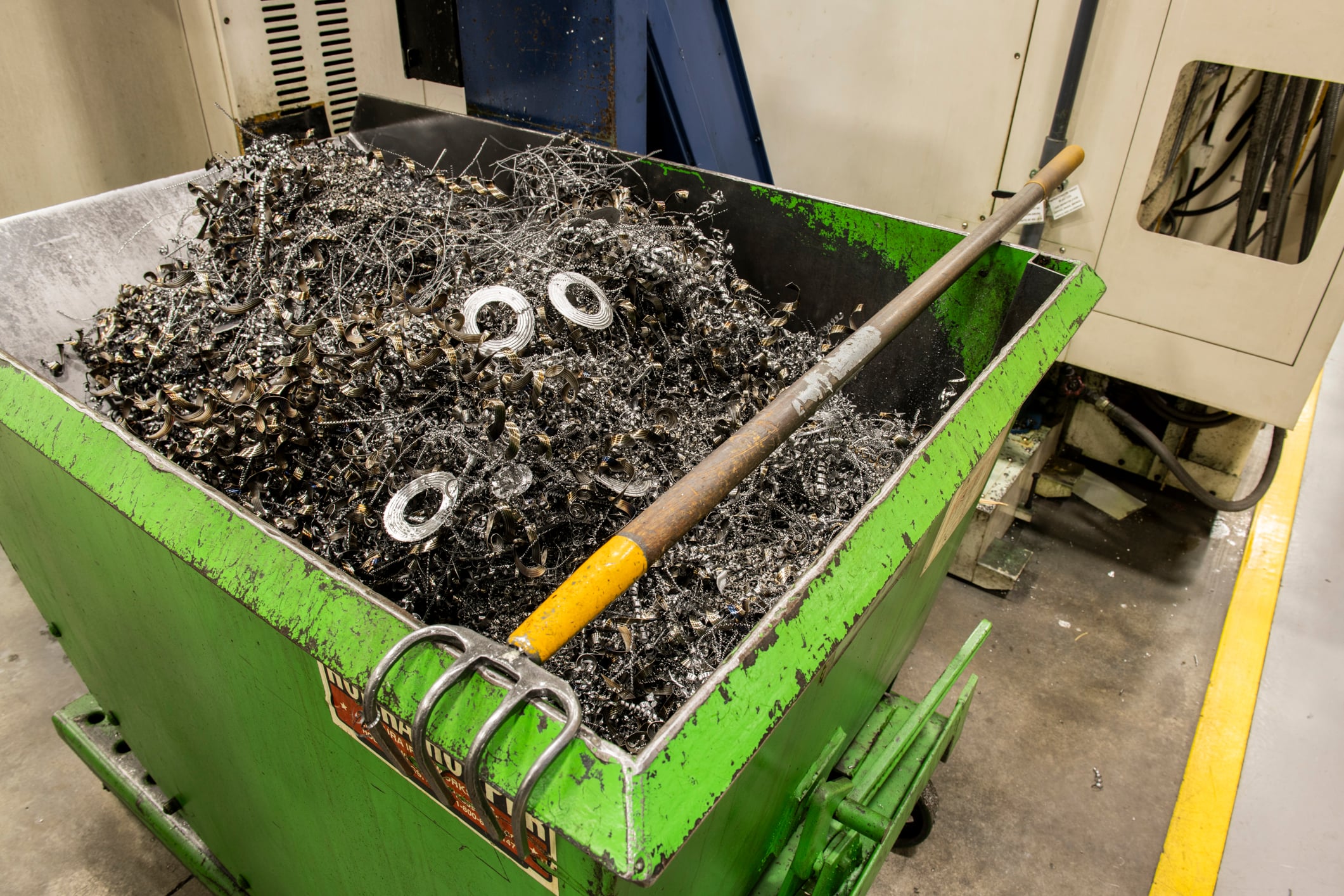
Our central coolant distribution system uses pharmaceutical-grade mixing pumps to ensure consistent and accurate coolant ratios, significantly reducing overall coolant consumption.
Machining
Whenever practical, we implement dry machining processes and utilize Minimum Quantity Lubrication (MQL) systems to reduce coolant usage, minimize waste fluid waste, and improve the environmental sustainability of our manufacturing operations.
Renewable Energy
We’re serious about meeting our sustainability goals, which is why we’ve joined DTE’s MIGreenPower program. Through this program, our energy use is attributed to clean, renewable wind and solar energy made right here in Michigan, in an effort to help our state become carbon neutral by 2050.
Fuel Efficiency
We match shipments to the most fuel-efficient vehicle available based on shipment size, reducing unnecessary fuel consumption and optimizing transportation resources.
Conflict Minerals and Responsible Materials Policy
Fitzpatrick Manufacturing is committed to ethical sourcing practices and maintaining a socially responsible supply chain. In alignment with Section 1502 of the Dodd‑Frank Wall Street Reform and Consumer Protection Act (the “Conflict Minerals” provision), we actively support the responsible sourcing of materials and work to prevent the use of minerals that may directly or indirectly finance armed conflict.
Our suppliers are expected to take reasonable steps to ensure that materials provided to Fitzpatrick Manufacturing are “DRC conflict‑free.” This applies to tin, tantalum, tungsten, and gold (commonly referred to as 3TG minerals).
Where applicable and upon request, Fitzpatrick Manufacturing may collect supplier information through the Conflict Minerals Reporting Template (CMRT) to support supply chain transparency and customer compliance requirements. We rely on our suppliers to conduct appropriate due diligence within their own supply chains and to provide accurate and current information when requested.
Materials containing 3TG minerals sourced from the Democratic Republic of the Congo (DRC) or adjoining countries—without appropriate conflict‑free verification—may be considered non‑conforming and subject to rejection.
PFAS Policy
Fitzpatrick Manufacturing is also committed to monitoring emerging regulatory and customer requirements related to per‑ and polyfluoroalkyl substances (PFAS). We actively work to avoid the intentional use of PFAS‑based materials in our manufacturing processes wherever feasible.
We engage with our suppliers to understand material content, monitor applicable restrictions, and seek alternatives when PFAS‑containing materials are identified. As regulations and industry guidance continue to evolve, Fitzpatrick Manufacturing remains committed to responsible materials management and ongoing improvement in this area.